

















Introduction


Tube Laser Cutting Power Selection
Tube Laser Cutting Materials
- Carbon Steel
- Mild Steel
- Low Alloy Steel
- High Alloy Steel
- Ferritic Stainless Steel
- Austenitic Stainless Steel
- Martensitic Stainless Steel
- Duplex Stainless Steel
- Super Duplex Stainless Steel
- Galvanized Steel
- Oxygen-Free Copper
- Brass
- Bronze
- Phosphor Bronze
- Beryllium Copper
- Titanium
- Titanium Alloys
- Nickel
- Nickel Alloys
- Cobalt
- Cobalt Alloys
- Magnesium
- Magnesium Alloys
- Zinc
- Zinc Alloys
- Tungsten
- Molybdenum
- Silver
- Gold
- Platinum
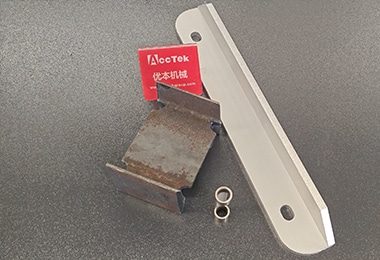
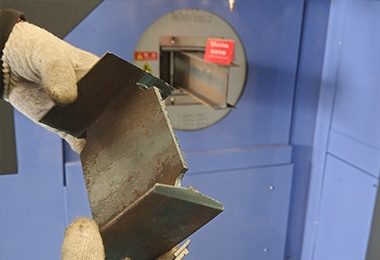
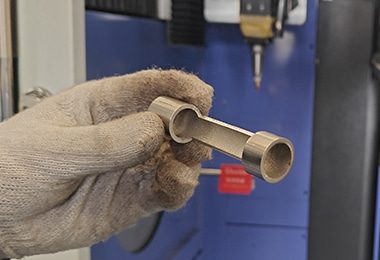
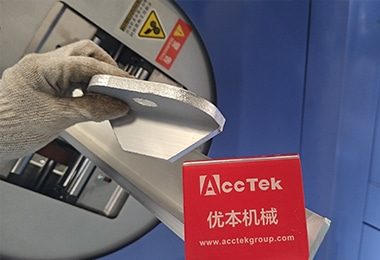
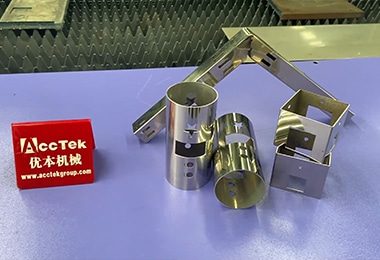
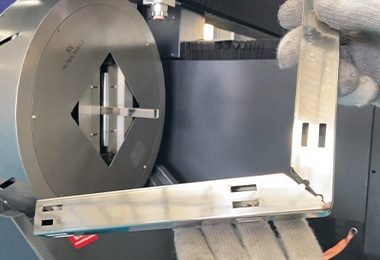
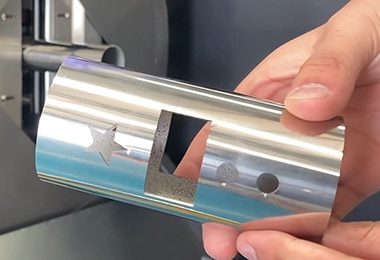
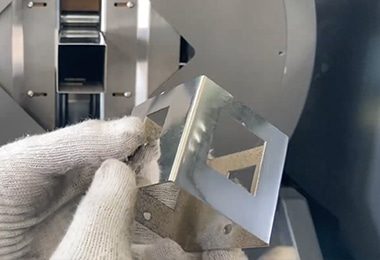
Applications of Tube Laser Cutting Machines
Comparison with Traditional Cutting
| Comparison Item | Laser Cutting | Plasma Cutting | Flame Cutting | Waterjet Cutting |
|---|---|---|---|---|
| Cutting Accuracy | High precision with tight tolerances | Moderate accuracy, larger tolerances | Lower precision, rougher cuts | Moderate precision, less sharp edges |
| Flexibility for Complex Holes | Handles intricate hole designs, fish-mouth cuts | Limited flexibility for complex holes | Not ideal for complex hole shapes | Can handle complex holes, but slower |
| Material Waste (Tailings Length) | Minimal, optimized nesting | Higher material waste, especially for thicker materials | Moderate waste, particularly with thick cuts | Minimal, but slower process |
| Labor Intensity | Low, automated operation | Moderate, requires manual adjustments | High, requires constant monitoring and adjustments | Moderate, needs water disposal management |
| Beveling Capability | Can produce precise bevels with ease | Limited beveling capability | Can create bevels, but often with rough edges | Can produce beveled edges with precision |
| Lead Time for Prototype Samples | Fast, quick setup and adjustment | Moderate, requires manual setups | Longer due to setup time | Slow, particularly for large designs |
| Speed for Thin Materials | Very fast | Fast | Slow | Moderate |
| Speed for Thick Materials | Moderate to fast | Very fast for thick materials | Fast for thick materials | Slow, especially for thick materials |
| Edge Quality | Clean, smooth, minimal burrs | Rougher edges, often requires finishing | Rough edges, requires post-processing | Smooth edges, minimal burrs |
| Heat Affected Zone (HAZ) | Minimal heat-affected zone | Large HAZ, can distort material | Large HAZ, causes material warping | No HAZ, preserves material integrity |
| Material Compatibility | Works on a wide range of metals, plastics, and composites | Works primarily on metals | Works primarily on metals | Works on metals, glass, ceramics, and composites |
| Post-processing Requirements | Minimal, clean cuts | Requires deburring and finishing | Requires significant post-processing | Minimal, clean cuts |
| Material Thickness | Ideal for thin to medium thicknesses | Best for thicker materials | Best for thick materials | Works for all thicknesses |
| Operating Cost | Low long-term costs, minimal consumables | Moderate, depends on gas usage | Higher due to gas and oxygen consumption | High, water and abrasives needed |
| Energy Consumption | Moderate power usage | High energy consumption | Very high power consumption | High energy and water usage |
| Setup Time | Quick setup, minimal adjustments | Moderate setup time | Longer setup time | Long setup time |
| Material Integrity | Minimal thermal impact, no distortion | Risk of material distortion due to heat | Heat causes distortion and warping | No heat, material integrity maintained |
| Safety Considerations | Low risk with proper safety measures | Requires ventilation and safety gear | Requires ventilation, high-risk handling | Low risk, water disposal considerations |
| Noise Level | Low noise | High noise | Very high noise | Moderate noise |
| Automation Capability | Very high, easily automated | Limited automation capability | Limited automation capability | High, can be easily automated |
Why Choose AccTek Laser
Advanced Laser Technology
AccTek Laser integrates advanced laser technology into its cutting machines to deliver high precision, stable performance, and efficient cutting results. Their systems use reliable laser sources and optimized control systems, ensuring that operators achieve consistent cuts with minimal material waste. This innovation also helps in enhancing material quality while reducing the risk of thermal damage during the cutting process.
Wide Range of Machine Options
AccTek Laser offers a broad selection of laser cutting machines with different power levels and configurations to suit diverse application requirements. Customers can choose from compact, portable systems for small-scale operations to large industrial machines for high-volume cutting tasks. This makes it easy to find the right solution for cutting metal sheets, plastics, ceramics, and more, ensuring versatility for various industries.
High-Quality Components
AccTek Laser machines are built using top-quality components sourced from globally recognized suppliers. This includes durable laser sources, cutting-edge scanning systems, and reliable control electronics. By using premium parts, AccTek Laser enhances machine stability, extends service life, and ensures consistent performance under demanding operating conditions, ultimately reducing maintenance needs.
Customization and Flexible Solutions
AccTek Laser provides flexible customization options to meet specific customer needs. Machine features like laser power, cutting speed, cooling systems, and automation integration can be tailored to suit different production environments and application requirements. This flexibility ensures that customers achieve optimal cutting performance, productivity, and cost-efficiency.
Professional Technical Support
AccTek Laser offers comprehensive technical support throughout the entire purchase and operation process. Their experienced team assists with machine selection, installation, operation training, and troubleshooting. This level of support helps customers seamlessly adapt to laser cutting technology, ensuring smooth operations and quick issue resolution when necessary.
Reliable Global Service
With years of experience serving customers globally, AccTek Laser provides dependable international service and support. They offer detailed documentation, remote assistance, and responsive after-sales service to help customers maintain their machines and minimize downtime. This ensures that customers can continue their operations with minimal disruptions, enhancing long-term productivity and customer satisfaction.
Customer Reviews
Related Resources

Guide to Materials that Can Be Cut by CO2 and Fiber Laser Cutting Machines
This guide covers all materials that CO2 and fiber laser cutting machines can process, explains how wavelength determines compatibility, and helps you choose the right laser generator for your application.

CO2 Laser Cutting Machine Safety Guidelines
This article covers the essential safety precautions for operating a CO2 laser cutting machine, from radiation and fire risks to fume extraction, PPE, machine features, and routine maintenance checks.

CO2 Laser Power and Cutting Performance
This article explains how CO2 laser generator wattage from 60W to 600W affects cutting speed, depth, and material capability, and clarifies when higher power delivers real gains and when it

CO2 Laser Generator Cutting Materials Guide: From Parameter Settings to Best Practices
Explore which materials CO2 laser generators cut most effectively, what parameter adjustments each material requires, which materials must be avoided entirely, and how to maintain safe cutting operations across every
Frequently Asked Questions
Why Can Tube Laser Cutting Machines Replace Sawing?
- Higher Precision and Accuracy: Laser cutting provides extremely precise cuts with tight tolerances. Unlike sawing, which can produce rough edges and dimensional deviations, tube laser cutting ensures consistent and accurate results, reducing the need for secondary finishing.
- Ability to Perform Complex Cuts: Sawing is limited to straight cuts, while tube laser cutting machines can create holes, slots, bevels, and intricate contours in a single process. This eliminates additional machining steps such as drilling or milling, saving time and labor.
- Reduced Secondary Processing: With sawing, parts often require deburring, drilling, or reshaping after cutting. Laser cutting produces clean edges and finished features directly, minimizing or eliminating post-processing operations.
- Higher Efficiency and Automation: Tube laser cutting machines are highly automated, with features such as automatic loading, positioning, and unloading. This allows continuous production with minimal manual intervention, significantly increasing productivity compared to manual or semi-automatic sawing.
- Material Utilization and Waste Reduction: Laser cutting optimizes material usage through precise programming and nesting. Sawing often results in larger kerf loss and less efficient use of material, leading to more waste.
- Non-Contact Processing: Laser cutting is a non-contact process, meaning there is no mechanical force applied to the material. This reduces deformation, vibration, and tool wear, which are common issues in sawing.
- Lower Tool Maintenance: Saw blades wear out over time and require frequent replacement or sharpening. Laser cutting machines do not rely on physical cutting tools, reducing maintenance costs and downtime.
- Improved Edge Quality: Laser-cut edges are smooth and clean, often requiring no additional finishing. In contrast, sawn edges may be rough and uneven, especially on thicker or harder materials.
- Flexibility for Different Profiles: Tube laser cutting machines can handle various shapes, such as round, square, rectangular, and custom profiles. Sawing is less flexible and often requires different setups for different shapes.
What Tube Shapes And Profiles Can Tube Laser Cutting Machines Cut?
- Round Tubes: Circular tubes are the most common type processed. Tube laser cutting machines can cut holes, slots, and angled features along the length of the tube with high precision. They are widely used in industries such as construction, automotive, and piping systems.
- Square Tubes: Square profiles are commonly used in frames, furniture, and structural applications. Tube laser cutting machines can accurately process edges, corners, and connection points, ensuring tight fits and clean joints.
- Rectangular Tubes: Similar to square tubes but with different aspect ratios, rectangular tubes are widely used in structural and mechanical applications. Laser cutting allows for precise shaping and complex cutouts without additional machining.
- Oval and Elliptical Tubes: Tube laser cutting machines can also handle non-circular shapes such as oval or elliptical tubes. These profiles are often used in specialized designs where both strength and aesthetics are important.
- Special-Shaped Profiles: Advanced machines can process custom or irregular profiles, including D-shaped, triangular, or multi-sided tubes. This flexibility allows manufacturers to work with unique designs and specialized components.
- Angle Steel (L-Profiles): Tube laser cutting machines can cut angle profiles used in frames and supports. They can create precise joints and connection features that simplify assembly.
- Channel Steel (U-Profiles): U-shaped channels can also be processed, allowing for accurate cutting of slots, holes, and complex geometries used in construction and machinery.
- H-Beams and I-Beams (Limited): Some high-end tube laser cutting systems can handle structural beams such as H-beams or I-beams, though this depends on machine capacity and configuration.
- Custom Extrusions: Aluminum extrusions and other custom-designed profiles can be cut with high precision, making these machines suitable for industries requiring specialized shapes.
- Multi-Profile Capability: Modern machines can switch between different tube shapes with minimal setup time, improving efficiency in mixed production environments.
What Is The Maximum Tube Diameter For Tube Laser Cutting Machines?
- Small Tube Laser Cutting Machines: Entry-level or compact machines are typically designed for smaller diameters, usually ranging from 10 mm up to 120–160 mm. These are ideal for applications such as furniture, fitness equipment, and light industrial components where smaller tubes are commonly used.
- Mid-Range Tube Laser Cutting Machines: Standard industrial tube laser cutting machines can handle tube diameters from around 20 mm up to 200–240 mm. This range covers most general manufacturing needs, including automotive parts, construction frames, and mechanical structures.
- Large-Diameter Tube Laser Cutting Machines: Heavy-duty tube laser systems are designed for larger structural tubes and pipes. These machines can process diameters from 240 mm up to 350 mm or more. They are commonly used in construction, infrastructure, and heavy equipment manufacturing.
- Ultra-Large Capacity Tube Laser Cutting Machines: Specialized high-end machines can handle tube diameters exceeding 400 mm, and in some cases up to 500 mm or more. These are used for large-scale industrial applications such as oil and gas pipelines, large steel structures, and heavy engineering projects.
- Factors Affecting Diameter Capacity: The maximum diameter is primarily determined by the chuck system and clamping mechanism. Larger chucks provide greater capacity but may reduce precision for very small tubes. Machine bed design and support systems also play a role in handling large or heavy tubes.
- Wall Thickness Consideration: Diameter capacity is separate from wall thickness capability. Larger tubes often have thicker walls, which require higher laser power to cut effectively. Both diameter and thickness must be considered when selecting a machine.
- Profile Shape Influence: While diameter typically refers to round tubes, similar size limits apply to square and rectangular profiles based on their maximum outer dimensions.
- Practical Usage vs. Maximum Capacity: Although machines have maximum diameter ratings, optimal performance is usually achieved slightly below these limits to ensure better stability and cutting quality.
How Much Do Tube Laser Cutting Machines Cost?
- Entry-Level Tube Laser Machines: Basic models typically cost between $40,000 and $80,000. These machines are designed for smaller tube diameters and lower power (around 1000W–1500W). They are suitable for light industrial use, such as furniture manufacturing, fitness equipment, and small fabrication workshops.
- Mid-Range Tube Laser Machines: Machines in this category usually range from $50,000 to $150,000. They offer higher power (2000W–3000W), larger diameter capacity, and improved cutting speed. These systems are widely used in general manufacturing, construction components, and automotive parts production.
- High-Power Tube Laser Machines: High-performance machines (4000W–6000W and above) typically cost between $100,000 and $300,000. They can handle thicker materials, larger tube diameters, and higher production volumes. These machines are ideal for heavy-duty industrial applications.
- Fully Automated Systems: Advanced tube laser cutting systems with automatic loading and unloading, bundle feeders, and intelligent control software can exceed $200,000 and may reach $500,000 or more. These are used in large-scale production environments where efficiency and labor reduction are critical.
- Factors Affecting Cost: Several elements influence pricing, including laser source brand, cutting head quality, chuck system, and machine bed length. Machines capable of handling longer tubes or larger diameters generally cost more.
- Additional Costs: Beyond the machine price, buyers should consider installation, training, and infrastructure setup. Ongoing operating costs include electricity, assist gases (such as nitrogen and oxygen), maintenance, and consumables like nozzles and protective lenses.
- Automation and Productivity Considerations: While higher-end machines require a larger initial investment, they offer faster processing speeds, reduced labor costs, and higher output, which can lower the cost per part over time.
Can Tube Laser Cutting Machines Perform Complex Tube Fitting Cutting?
- Complex Joint Cutting: Tube laser machines can create accurate intersection cuts, such as fish-mouth, saddle, and bevel cuts. These are essential for tube fitting applications where pipes or profiles must join at specific angles, such as in frames, piping systems, and structural assemblies.
- Multi-Axis Control: Most modern tube laser cutting machines use multi-axis motion (typically 3D or 5-axis systems). This allows the laser head to move and tilt while the tube rotates, enabling complex geometries and angled cuts that are not possible with traditional methods like sawing or drilling.
- High Precision Fit-Up: Laser cutting ensures tight tolerances and smooth edges, allowing tubes to fit together accurately without gaps. This reduces the need for manual adjustments during welding or assembly, improving both speed and final product quality.
- Integrated Processing: Tube laser machines can perform multiple operations in one setup, including cutting, hole making, slotting, and contour shaping. This eliminates the need for separate processes such as drilling or milling, saving time and labor.
- Custom Geometry Capability: Operators can program complex shapes directly from CAD software. This allows for the production of customized tube fittings, including irregular angles, curved connections, and intricate patterns required in modern designs.
- Improved Welding Preparation: Clean and precise cuts improve weld quality by ensuring proper alignment and consistent joint gaps. This reduces welding defects and enhances structural strength.
- Efficiency and Repeatability: Once programmed, the machine can produce identical complex fittings repeatedly with high consistency. This is especially valuable in mass production or projects requiring uniform components.
- Reduced Material Waste: Accurate cutting and optimized nesting reduce scrap material, even when producing complex shapes.
- Wide Application Range: These capabilities are widely used in industries such as construction, automotive, aerospace, furniture, and pipeline fabrication, where complex tube assemblies are common.
How Do Tube Laser Cutting Machines Reduce Material Waste And Tube Deformation?
- Precise CNC Cutting and Nesting: Tube laser cutting machines use advanced CNC control systems that allow parts to be arranged efficiently along the length of the tube. This precise programming ensures that cuts are placed as close as possible without affecting structural integrity. By optimizing the layout of holes, slots, and profiles, the machine maximizes material utilization and reduces leftover scrap.
- Narrow Cutting Kerf: Laser cutting produces a very narrow cutting width, often much smaller than traditional mechanical cutting tools. Because less material is removed during each cut, more usable parts can be produced from a single tube. This narrow kerf also improves dimensional accuracy and reduces raw material waste.
- Non-Contact Processing: Tube laser cutting is a non-contact process, meaning the laser beam does not apply physical force to the tube. Traditional cutting methods may create mechanical pressure that can bend or distort thin-walled tubes. The laser’s non-contact nature prevents mechanical stress and helps maintain the original tube shape.
- Controlled Heat Input: Modern fiber laser cutting systems focus energy precisely at the cutting point, creating a small heat-affected zone. Because the heat is concentrated in a small area, the surrounding material experiences minimal thermal distortion. This reduces the risk of warping or deformation during cutting.
- Automatic Tube Support Systems: Many tube laser cutting machines include automatic support devices that stabilize the tube during rotation and cutting. These supports prevent sagging or vibration, especially when processing long or thin-walled tubes.
- Integrated Multi-Process Cutting: Tube laser cutting machines can perform multiple operations—such as cutting holes, slots, and complex profiles—in a single setup. This eliminates the need for repeated repositioning and reduces the chance of deformation caused by multiple machining steps.
How To Choose Suitable Tube Laser Cutting Machines?
- Tube Size and Profile Range: Start by identifying the tube shapes and sizes you will process. Consider maximum diameter, wall thickness, and profile types such as round, square, rectangular, or special shapes. The machine’s chuck capacity and clamping system must match your requirements.
- Laser Power Selection: Power determines cutting speed and thickness capability. Lower power (1000W–1500W) is suitable for thin tubes, while mid-range (2000W–3000W) and high-power machines (4000W+) are better for thicker materials and higher productivity. Choose based on your typical workload.
- Machine Length Capacity: Tube length capacity is another key factor. Machines are designed for different tube lengths, commonly ranging from 3 meters to 12 meters or more. Select a machine that fits your standard material length to avoid limitations in production.
- Cutting Precision and Stability: Look for machines with high-quality chucks, rigid frames, and stable motion systems. Precision is critical for accurate tube fitting and reducing post-processing work.
- Automation Features: Advanced features such as automatic loading/unloading, bundle feeding systems, and intelligent positioning can greatly improve efficiency, especially for high-volume production.
- Control System and Software: A reliable control system with user-friendly software is essential. Features like automatic nesting, simulation, and error detection help optimize cutting paths and reduce material waste.
- Laser Source and Components: Choose machines equipped with reputable laser sources and cutting heads. High-quality components ensure consistent performance, lower maintenance, and longer service life.
- Support for Complex Cutting: If your application requires tube fitting, bevel cutting, or complex geometries, ensure the machine supports multi-axis cutting capabilities.
- Maintenance and Service Support: Consider the availability of technical support, spare parts, and training. Good after-sales service reduces downtime and protects your investment.
- Budget and Operating Costs: Evaluate both the initial cost and long-term expenses, including energy use, assist gases, and maintenance.
How To Maintain Tube Laser Cutting Machines?
- Clean Optical Components: The protective lens and window in the cutting head must be kept clean. Dust, smoke, and metal particles can reduce laser efficiency and affect cut quality. Use proper cleaning tools and follow manufacturer guidelines to avoid damage.
- Inspect the Cutting Head and Nozzle: The nozzle directly affects gas flow and cutting precision. Check for wear, deformation, or blockages, and replace it when necessary. A damaged nozzle can lead to poor cutting results and increased scrap.
- Maintain the Chuck System: Tube laser cutting machines rely on chucks to clamp and rotate tubes accurately. Regularly inspect and clean the chuck to ensure proper gripping force and alignment. Lubricate moving parts to maintain smooth operation.
- Check the Cooling System: A stable cooling system is critical for fiber laser performance. Monitor coolant levels, temperature, and water quality. Replace or clean the coolant as recommended to prevent overheating and ensure consistent output.
- Inspect Gas Supply and Filters: Assist gases such as oxygen and nitrogen must be clean and stable. Check for leaks, maintain proper pressure, and replace filters regularly to ensure high-quality cuts.
- Lubricate Mechanical Components: Guide rails, bearings, and drive systems require routine lubrication. This reduces wear, ensures smooth motion, and maintains positioning accuracy during tube rotation and cutting.
- Clean the Machine Interior and Work Area: Remove dust, metal debris, and scrap regularly. Accumulated debris can affect machine performance and increase fire risk.
- Check Electrical Systems: Inspect cables, connectors, and control units for signs of wear or damage. Stable electrical connections are essential for safe and reliable operation.
- Monitor Alignment and Calibration: Ensure the laser beam, cutting head, and tube positioning system are properly aligned. Regular calibration helps maintain cutting precision and reduces errors.
- Maintain Automation Systems: If the machine includes automatic loading and unloading, check these systems for proper function and alignment to avoid feeding issues.
- Update Software and Monitor Performance: Keep the control system updated and monitor machine performance for any irregularities.
- Schedule Professional Servicing: Periodic inspection by trained technicians helps identify hidden issues and ensures optimal performance.